Get Water Leak Detection
Water leak detection services help property owners find hidden leaks in plumbing, walls, or foundations, preventing damage and costly repairs by connecting with trusted local contractors.
Water leak detection is an essential service for property owners who want to prevent potential damage and maintain the integrity of their buildings. Whether dealing with unexplained increases in water bills, signs of moisture intrusion, or planning a renovation that requires careful assessment, understanding where leaks may be hiding can save time and reduce costly repairs later. Local contractors specializing in leak detection utilize a range of practical techniques to identify issues accurately, helping property owners make informed decisions about necessary repairs or maintenance.
Exploring options for water leak detection services allows property owners to compare approaches and identify experienced professionals in the area. Connecting with trusted service providers ensures that the work is handled efficiently and effectively, giving peace of mind that potential issues will be addressed properly. Keep reading to discover how local experts can assist with identifying leaks and safeguarding property investments.
- Underground Pipe Leak Detection - needed when hidden leaks in underground pipes cause water loss or structural concerns.
- Bathroom Leak Detection - required if persistent dampness or mold appears around fixtures or walls.
- Kitchen Leak Detection - necessary when visible signs of water damage or unexplained increases in water bills occur.
- Slab Leak Detection - essential if there are signs of foundation settling, hot spots on floors, or unexplained water usage.
- Roof Leak Detection - needed when water stains or drips appear after rain, indicating possible leaks in roofing or attic areas.
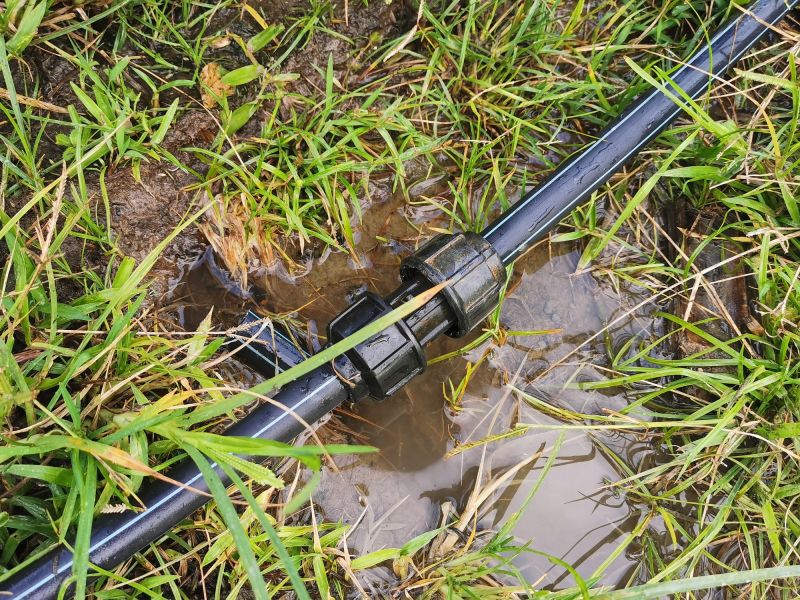
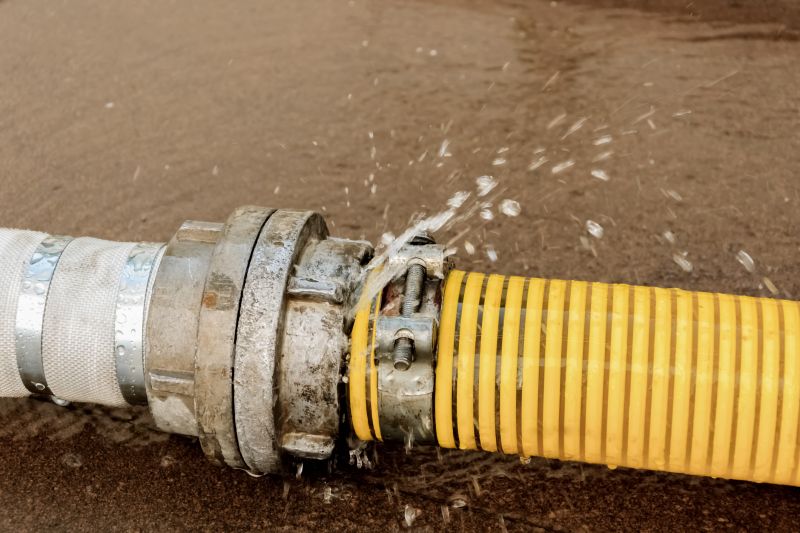
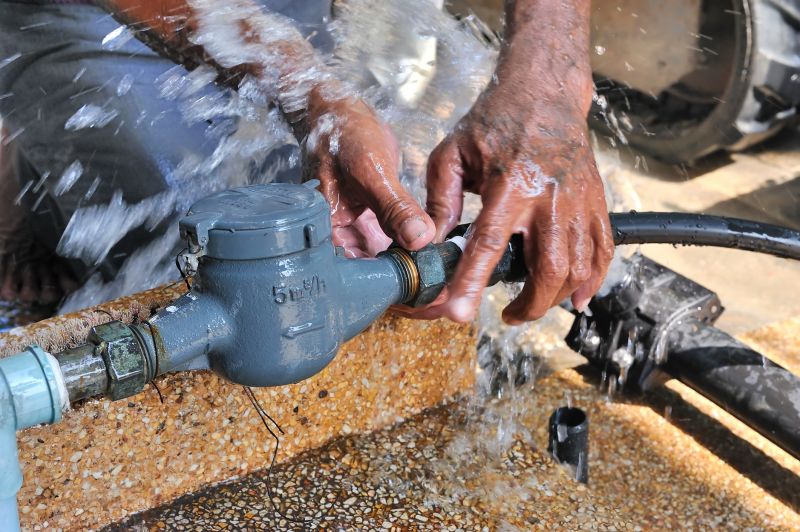
Water leak detection services involve specialized methods to identify hidden or hard-to-find leaks within a property’s plumbing system or structure. These services typically use advanced tools and techniques such as electronic leak detection devices, thermal imaging, and acoustic sensors to locate the exact source of a leak without causing unnecessary damage. By pinpointing leaks accurately, homeowners can address issues efficiently, reducing the risk of further damage and costly repairs. Professional leak detection is especially useful when water bills unexpectedly increase or when visible signs of leaks, like damp spots or mold growth, appear but the source isn’t obvious.
These services help solve a range of problems caused by water leaks, including structural damage, mold growth, and water wastage. Undetected leaks can weaken building foundations, rot wood framing, and compromise walls or flooring, leading to expensive repairs over time. Additionally, leaks that go unnoticed can promote mold and mildew growth, which can be harmful to health and difficult to eradicate. Detecting leaks early with the help of local service providers can prevent these issues from escalating and protect the integrity of the property.
Water leak detection is commonly used in residential properties such as single-family homes, townhouses, and apartment complexes. These services are also valuable for commercial buildings, including office spaces, retail stores, and warehouses, where undetected leaks can disrupt operations and cause damage to inventory or equipment. Property owners who notice signs like unexplained water bills, musty odors, or water stains on ceilings and walls are often advised to seek professional leak detection. The goal is to locate and repair leaks promptly, minimizing inconvenience and preventing further damage.
Homeowners and property managers should consider water leak detection services when experiencing ongoing plumbing issues or signs of water intrusion. These services are particularly important in older buildings, homes with complex plumbing systems, or properties with recent renovations that may have disturbed existing pipes. By working with local contractors experienced in leak detection, property owners can address hidden problems before they develop into major repairs. Contacting a professional at the first sign of trouble can help maintain the safety, value, and functionality of a property.
The overview below groups typical Water Leak Detection projects into broad ranges so you can see how smaller, mid-sized, and larger jobs often compare in your area.
In many markets, a large share of routine jobs stays in the lower and middle ranges, while only a smaller percentage of projects moves into the highest bands when the work is more complex or site conditions are harder than average.
Smaller Repairs - typical costs for minor leak detection and repairs range from $250 to $600. Many routine jobs fall within this middle range, covering common leaks in accessible areas. Fewer projects require extensive work that exceeds this range.
Pipe Inspection - professional inspection services usually cost between $150 and $400. This price covers using specialized equipment like cameras to locate leaks in hidden or hard-to-reach pipes. Larger or more complex inspections can cost more.
Localized Leak Repairs - repairing a specific section of pipe or fixture often costs between $500 and $1,500. Many local contractors handle these projects within this range, depending on the leak's location and severity. Larger repairs may push costs higher.
Full Pipe Replacement - replacing entire sections of plumbing can range from $2,000 to $5,000 or more. Such projects are less common and typically involve extensive work, with most jobs falling into the lower to mid parts of this range.
Actual totals will depend on details like access to the work area, the scope of the project, and the materials selected, so use these as general starting points rather than exact figures.
Pipe Inspection Services - Local contractors use specialized tools to visually inspect and identify issues within plumbing systems, similar to pinpointing water leaks behind walls or underground.
Underground Utility Locating - This service involves detecting hidden pipes and cables, requiring similar planning and equipment as water leak detection to prevent damage during excavation.
Moisture Mapping and Assessment - Professionals assess moisture levels in structures to locate hidden leaks or water intrusion, sharing techniques with water leak detection to identify problem areas.
Drain and Sewer Line Inspection - Using camera technology to inspect drains and sewer lines aligns with leak detection methods focused on identifying blockages or leaks within piping systems.
Building Envelope Testing - This involves evaluating building seals and insulation for leaks, which shares planning and diagnostic skills with detecting water infiltration points.
Leak Detection for HVAC Systems - Identifying refrigerant or air leaks in heating and cooling systems requires similar tools and approaches as water leak detection to locate elusive leaks efficiently.

When evaluating water leak detection service providers, experience with similar projects is an important consideration. Homeowners should look for local contractors who have a proven track record in identifying and resolving leaks in residential settings comparable to their own. An experienced professional will be familiar with common issues and effective techniques, which can contribute to a more accurate diagnosis and efficient service. Gathering information about a provider’s past work on projects similar in scope can help ensure that they have the relevant expertise needed to handle the specific challenges of the job.
Clear written expectations are essential for establishing a shared understanding of the scope and process of the leak detection service. Homeowners are encouraged to ask potential service providers for detailed descriptions of what the inspection will include, what methods will be used, and what results can be expected. Having this information in writing helps prevent misunderstandings and ensures that both parties are aligned on the work to be performed. Transparent communication about the process can also provide peace of mind and facilitate a smoother service experience.
Reputable references and good communication are key factors to consider when selecting a local contractor. Homeowners should seek out service providers who can provide references from previous clients, demonstrating a history of reliable and quality work. Additionally, good communication-whether through prompt responses, clear explanations, or willingness to answer questions-can make the process more straightforward and less stressful. While the site introduces homeowners to local options, it’s important to remember that these service providers are responsible for the work itself, and choosing those with a solid reputation and effective communication can lead to a more satisfactory outcome.
Property owners use Water Leak Detection services for practical projects around their homes and businesses. This guide focuses on everyday jobs and straightforward project options.
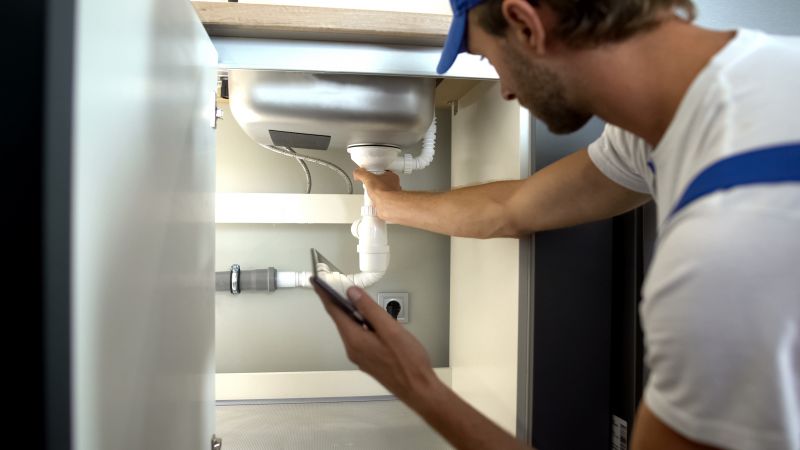
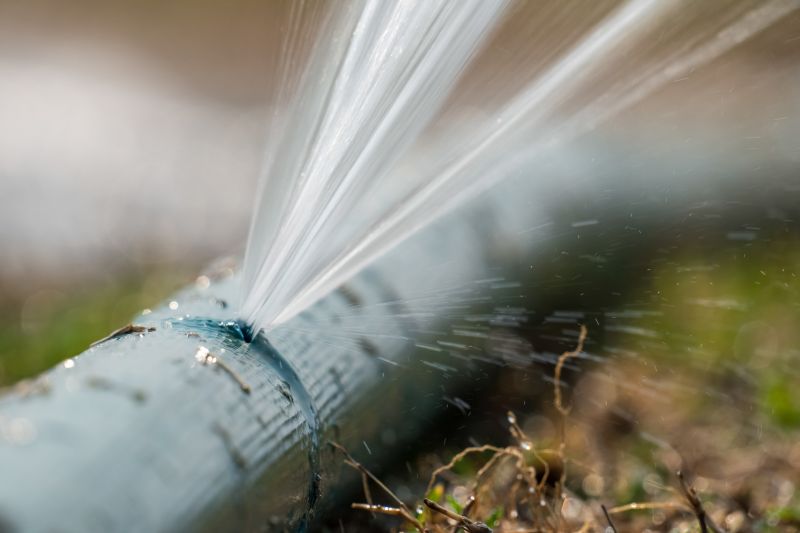
Water leak detection services are often sought after by property owners experiencing unexplained increases in water bills, damp spots on walls or ceilings, or the sound of dripping water when no fixtures are in use. These issues can indicate hidden leaks that, if left unaddressed, may cause structural damage or mold growth. Local contractors specializing in leak detection can assess the property, identify the source of leaks, and recommend appropriate solutions to prevent further damage and costly repairs.
Homeowners and business owners might also look for water leak detection services after noticing a sudden drop in water pressure or the presence of musty odors in certain areas. Sometimes, leaks develop behind walls or underground, making them difficult to detect without specialized equipment. Service providers in the area can perform non-invasive inspections to locate leaks accurately and efficiently, helping property owners resolve problems early and protect their investments.
How can I tell if I have a water leak? Signs of a water leak include unexplained increases in water bills, damp or discolored spots on walls or floors, and the sound of running water when fixtures are not in use. Local contractors can help identify the source of potential leaks.
What methods are used for water leak detection? Common methods include acoustic listening devices, thermal imaging, and pressure testing. Service providers may use these techniques to accurately locate leaks without extensive damage.
Are water leak detection services invasive? Many detection techniques are non-invasive, allowing contractors to find leaks without tearing up walls or floors. This helps minimize disruption during the inspection process.
Can water leaks cause structural damage? Yes, undetected leaks can lead to wood rot, mold growth, and foundation issues over time. Detecting leaks early can help prevent costly repairs.
How do local service providers handle water leak detection? They typically perform a thorough inspection using specialized equipment, then provide recommendations for repair or further assessment based on their findings.
Detecting Hidden Leaks - Use water leak detection services to identify concealed leaks behind walls or under floors before they cause significant damage.
Preventing Water Damage - Schedule leak detection to catch early signs of leaks in basements or crawl spaces, helping to avoid costly repairs.
Monitoring Water Usage - Implement leak detection systems to monitor unusual water consumption patterns and alert property owners to potential leaks.
Inspecting Plumbing Systems - Have local contractors assess plumbing lines during routine maintenance to identify leaks before they become major issues.
If you are thinking about Water Leak Detection for a property, this guide is meant to help you understand the work, the typical project types, and how different options might fit your plans.
When you are ready, you can use the quote form on this page to share a few details about your project. From there, local pros can review the basics and respond with options that match what you have in mind.